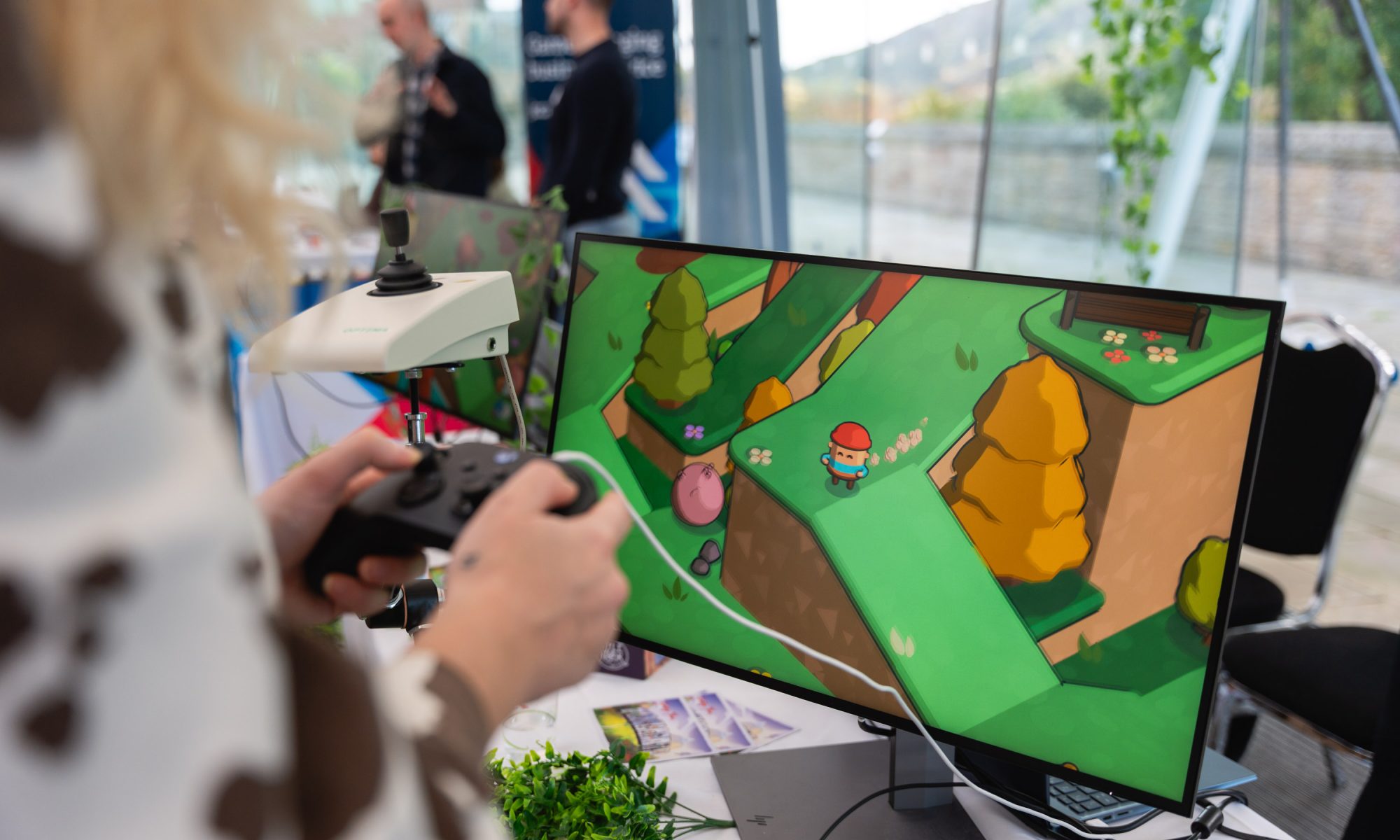


How many videogames have been made In Scotland? Is it hundreds, or thousands? Do you remember some of the incredible work from long-gone studios like Red Lemon, Dynamo Games, Space Budgie, Lucky Frame or Outerlight?
FUN FACT: Did you know that Denki is not only the oldest games studio in Scotland, but one of the most prolific, developing over 100 titles for the Sky TV interactive ‘red button’ service in the early 2000s?
For an industry that is relentlessly focused on the future, it can be difficult to find time to look back. In the fast-paced world of game development, the priority is always the next milestone, the next update, the next game. But what happens to the work we’ve already done? What is the legacy of the Scottish games sector?
A new national survey launched by the Scottish Council on Archives is asking us to consider just that. The Made in Scotland survey aims to explore the archives of Scottish businesses – both physical and digital – to understand what is being saved, what is at risk of being lost, and how we can better connect our industries with organisations that can help preserve their history.
For the games industry, this is a profoundly important, if challenging, question.
Every day, studios across Scotland create a vast wealth of digital material: concept art that never makes it into the final build, design documents that map out entire worlds, early prototypes, marketing materials, and millions of lines of source code. This is more than just a collection of old files on a server; it is the DNA of our creative history. It is the cultural footprint of one of Scotland’s most innovative and successful industries.
Why Does This Matter Now?
Preserving this legacy isn’t just about nostalgia. It’s about:
- Inspiration: Giving the next generation of developers a chance to learn from the work that came before them.
- History: Allowing researchers and historians to accurately tell the story of Scotland’s incredible contribution to the global games stage.
- Opportunity: Unlocking the potential for our archives to be used in new ways – for museum exhibitions, documentaries, academic study, and even inspiring new creative projects.
Why the games industry matters
Audrey Wilson, the Partnerships & Engagement Manager of the Scottish Council on Archives told the SGN:
With Scotland’s world-class games sector contributing to creativity, innovation, and culture, it’s vital that this industry is represented in our research. Archives and heritage aren’t just about paper records—they also include code, designs, stories, communities, and digital legacies, all of which are hugely important to Scotland’s cultural record and future. Your input will help ensure the games sector is part of this national conversation.
We’re also planning an in-person event later this year to share findings and discuss opportunities for businesses to do more with their archives, and it would be fantastic to have voices from the games industry in that room too.
I know that taking time out of a packed development schedule to fill in a survey is a big ask. It can feel like a distraction from the everyday work of making and selling games.
However, I am urging every studio leader, founder, indie creator and developer in Scotland to consider this. This is our chance to put a stake in the ground and say that the work we do has lasting value. It’s an opportunity to ensure that the incredible creativity and innovation of our sector is not lost to a forgotten hard drive or a decommissioned server.
What Has Been Made In Scotland?
The Made in Scotland survey is the first step in a national conversation about how we protect our collective legacy. By participating, you are not just answering questions; you are helping to shape the future of how Scotland’s games industry is remembered and valued.
Please, take 10 minutes to contribute to this vital project.